GENERAL
Looking back at OFI 2026 in Amsterdam
How do you translate ambitions, regulations and new technology into a practice that actually works? That question ran like a thread through OFI 2026. Over two days in Amsterdam, the major developments for the international oils and fats sector came into view: from the EUDR, CEPA and biofuels to trade flows, refining, food safety and new technology. One thing kept becoming clear: the ambitions are there, but in the end what matters is what happens in practice.
EUDR: now it has to start working
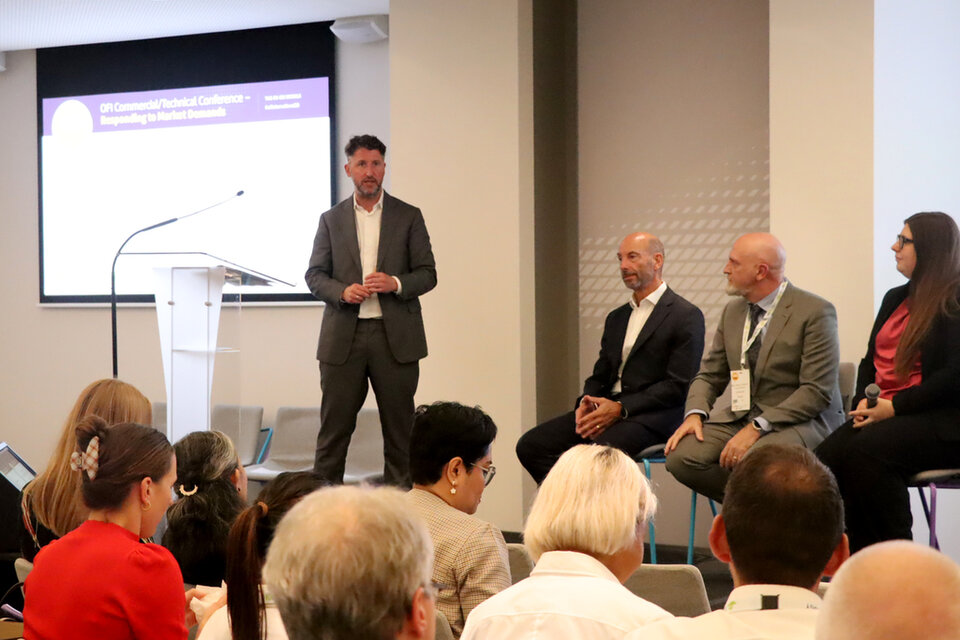
The session on the EUDR was moderated by Frans Claassen, Managing Director of MVO. Under his guidance, the discussion focused primarily on the practical implementation of the Regulation, from enforcement and traceability to the position of producing countries, certification and smallholders.
The practical challenges of implementing the EUDR became immediately clear during the opening session of OFI. With only a few months left until the EUDR came into force, the discussion was no longer about whether the regulation would come in, but mainly about implementation. The NVWA dry runs show that the differences between companies are still large. Some operators are well advanced, while others still rely heavily on external platforms and certification, or have not yet sufficiently developed their risk analysis.
Traceability remains one of the biggest practical bottlenecks. Collecting geolocation data alone is not enough: a specific shipment must also be demonstrably linked to the correct source information. With mixed flows and long international supply chains, that is anything but straightforward. The exchange of data with producing countries has also not yet been resolved everywhere. In particular around Indonesia, exact geolocation data can be sensitive. On top of that, smallholders do not always have the technology to provide that information.
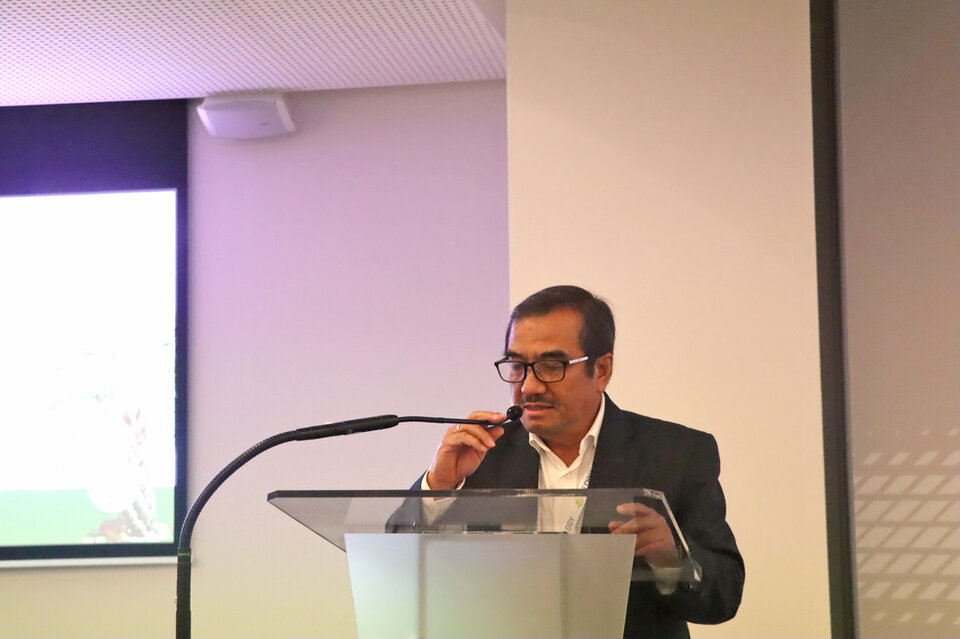
Precisely for that reason, Chandran Gunalan of CPOPC stressed the importance of cooperation between Europe and producing countries in the next step. After years of preparation and discussion, he said, the focus must shift to cooperation in actual implementation.
The next phase of EUDR should be a phase of implementation partnership.
Chandran Gunalan – CPOPC
Mark Wong of SD Guthrie International made it clear that deforestation is actually the more straightforward part. Deforestation and traceability are the visible tip of the iceberg. Beneath that lie more complicated questions about land rights, labour rights, environmental legislation and other legality requirements. Ruben Brunsveld of RSPO echoed this: deforestation is relatively easy to establish, but proving that all relevant local legislation has been complied with is considerably more complex.
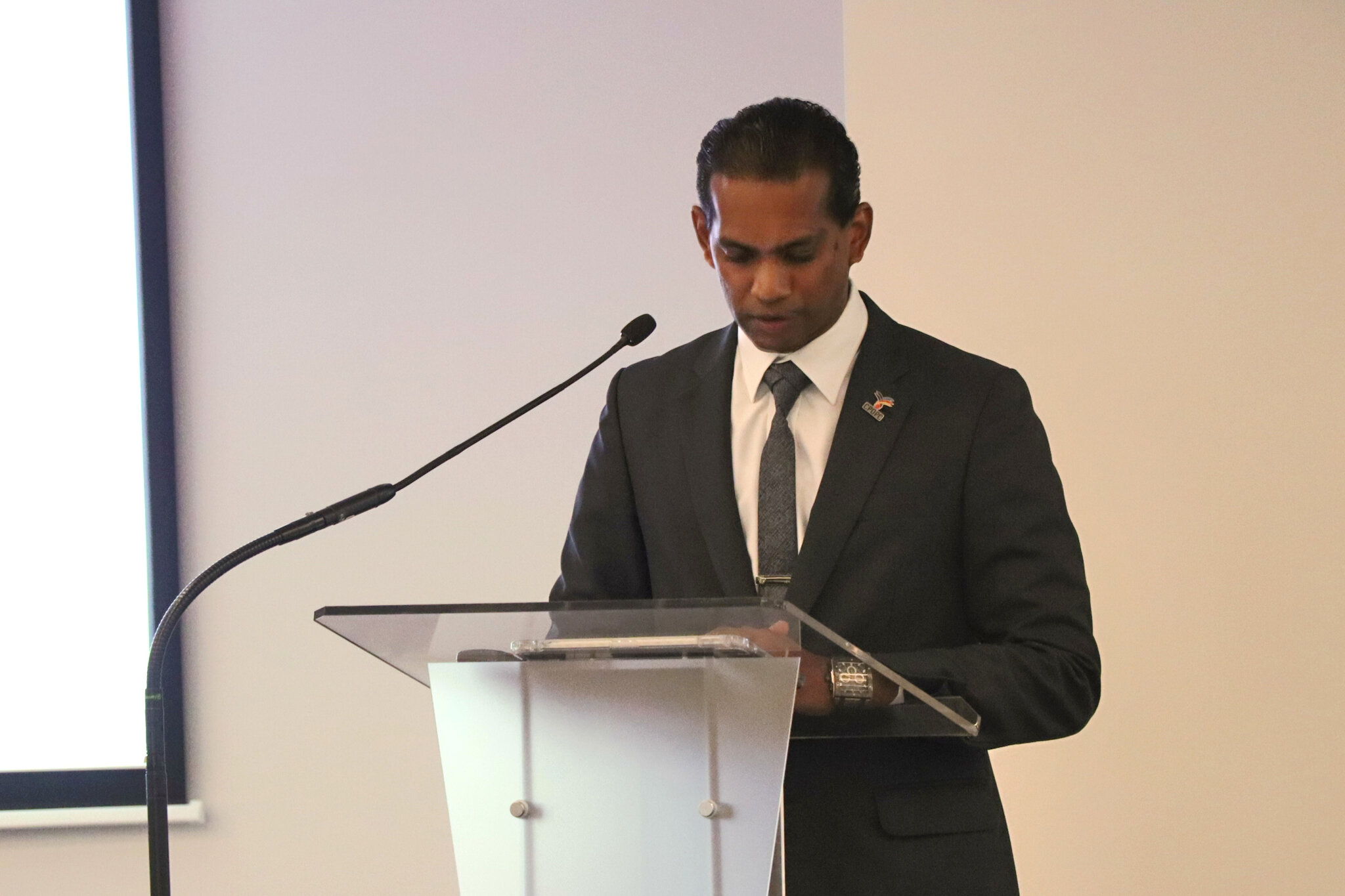
Chandran Gunalan of CPOPC
Certification systems such as RSPO can support companies in this and may also play a role in the NVWA’s risk-based supervision. However, certification is not an automatic ‘green lane’: responsibility for due diligence remains with the operator. At the same time, European harmonisation is crucial. If regulators in different Member States set different requirements, there is a risk that companies will choose the European port where checks are least strict.
The position of smallholders also received a great deal of attention. Marieke Leegwater of Solidaridad pointed out that smallholders can disappear from European supply chains when mapping, documentation and compliance become too complicated or too costly. That creates an uncomfortable paradox: a regulation intended to promote deforestation-free production can at the same time push European buyers towards larger and more easily traceable suppliers.
At the end of the session, Brunsveld brought the discussion back to the core issue. After years of debate about the design of the EUDR, he said, what matters most is that companies, governments and regulators now work together to make the regulation function in practice. That also means accepting that mistakes will be made during implementation and looking for a risk-based approach.
“We must now look ahead and work together to make the EUDR workable.”
Ruben Brunsveld – RSPO
Brunsveld also managed to sum up the long lead-up to the EUDR in a less conventional way. With guitar and humour, he sang about years of guidance, changes, technical limitations and delays. The question with which his song ended fitted the morning’s discussion remarkably well: will the start of the EUDR be a moment of chaos, or ultimately just ‘another day’?
More ambition, but which raw materials?
The session on sustainable mobility was moderated by Bram van Santen, director at Connex. The contributions covered the implementation of RED III, the future direction towards RED IV, and the availability and verification of feedstocks for biofuels. A similar tension emerged there. Europe wants to further increase the use of renewable fuels, while at the same time imposing stricter requirements on the feedstocks that may be used for this and on the way their origin is demonstrated.
Mark Bressers of the Dutch Emissions Authority (NEa), Steven Danneel of the NVWA and Domenico Mininni of the European Biodiesel Board (EBB) each highlighted that development from a different angle. While RED III is still being implemented in various Member States, RED IV and the period up to 2040 are already being discussed. According to Mininni, the question is even on the table whether the EU will retain a separate transport target after 2030. That is not yet established policy, but it does show how quickly implementation and new policy-making are now following one another.
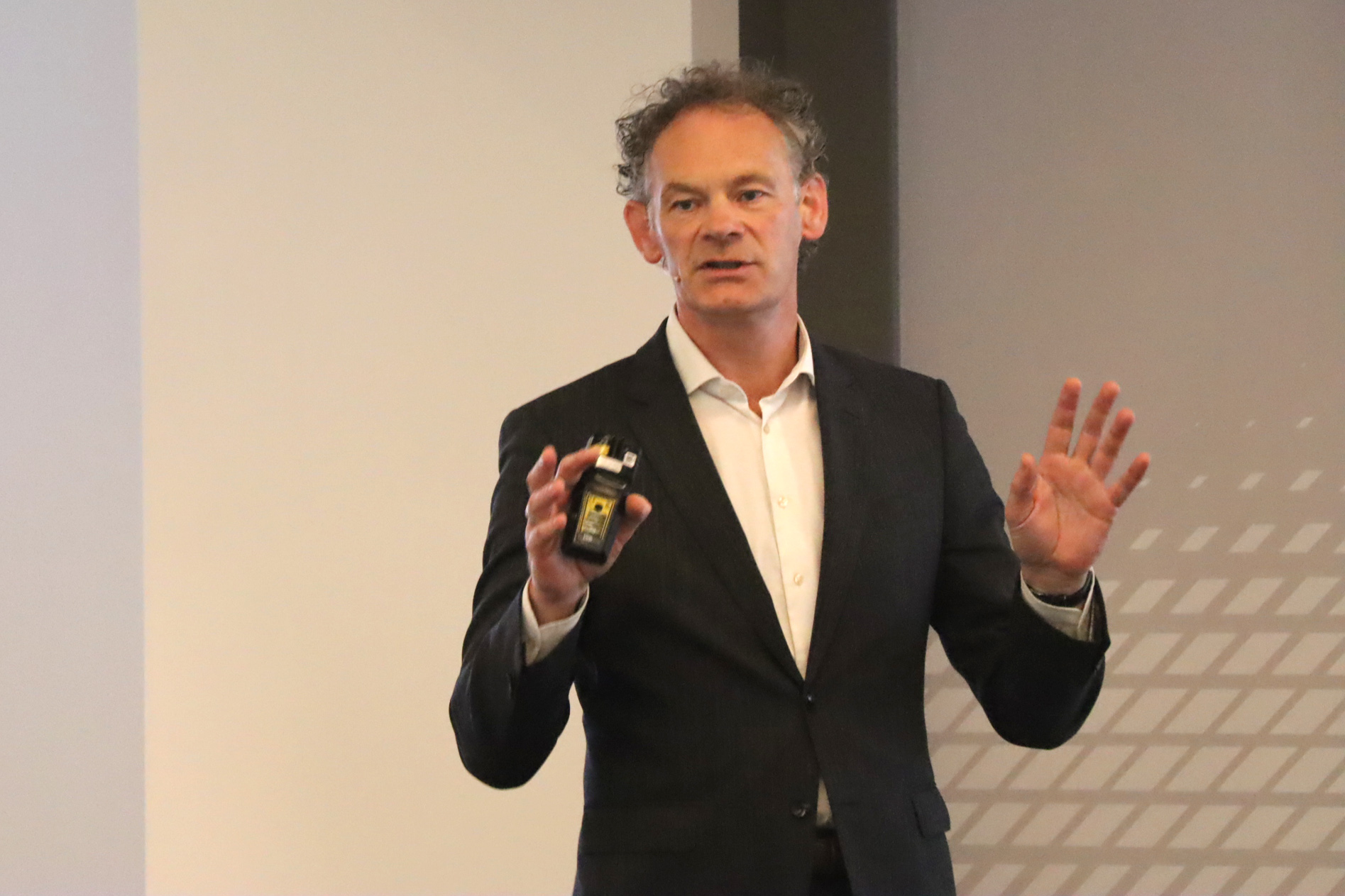
Mark Bressers of the Dutch Emissions Authority (NEa)
For the sector, it is not only about the level of ambition. On behalf of EBB, Mininni also pointed to the limits and caps for different categories of biofuels and to the importance of sufficient incentives for feedstocks from Annex IX. Higher targets only have an effect if enough sustainable feedstocks are available as well.
“More ambition also requires a consistent policy for raw materials.”
Domenico Mininni – European Biodiesel Board
Then there is trust in the supply chain. Fraud involving waste and residue streams has led to extra attention for verification in recent years. European rules from 2022 are already being revised. Possible measures range from larger sample sizes in group audits and stricter mass-balance rules to tougher consequences when fraud or serious non-conformity is identified.
Used cooking oil (UCO) shows how complicated this can be in practice. A significant share of this feedstock is imported. Companies must be able to demonstrate where the material comes from and which requirements it meets, while foreign suppliers do not always have the same documentation available. The distinction between UCO with animal components and fully vegetable UCO also proves difficult to establish in practice.
At the same time, supervision must not pile up. During the discussion, the question arose of how companies should deal with inspections by, among others, the NVWA, NEa and ILT on the same flows. The message from the government was practical: map out concrete overlaps so that regulators can better align inspections and sampling.
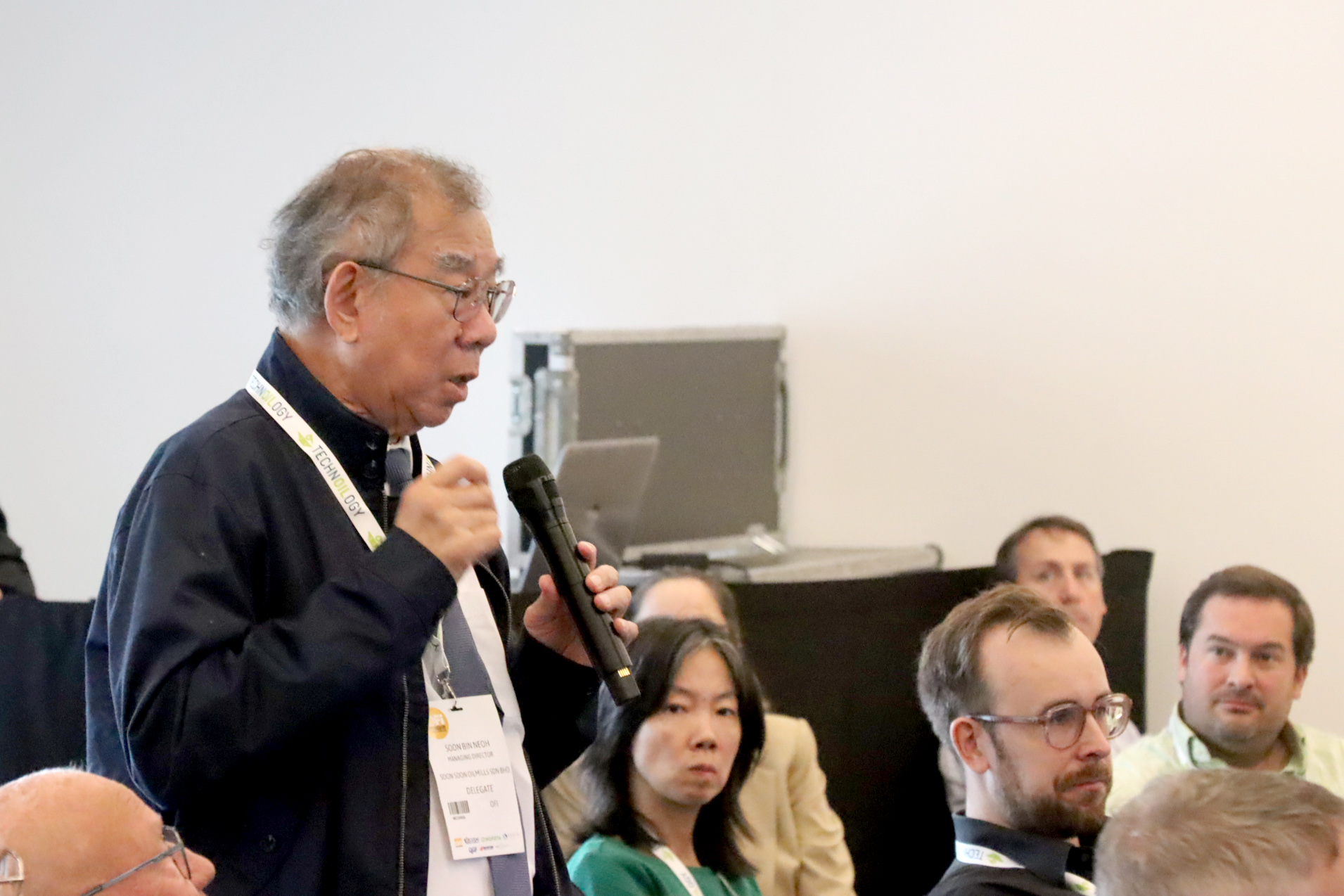
Questions from the audience
The discussion also went beyond waste and residue streams. EBB also pointed to the role of conventional biofuels in the European production of vegetable oils and proteins. In addition, the organisation called for changes to the restrictions on FAME blending in the Fuel Quality Directive, which, according to the sector, could hinder further decarbonisation of transport.
That brought back the same question as in the EUDR session: how do you ensure that higher ambitions go hand in hand with sufficient raw materials, reliable supply chains and rules that remain workable in practice?
From conference hall to drinks table
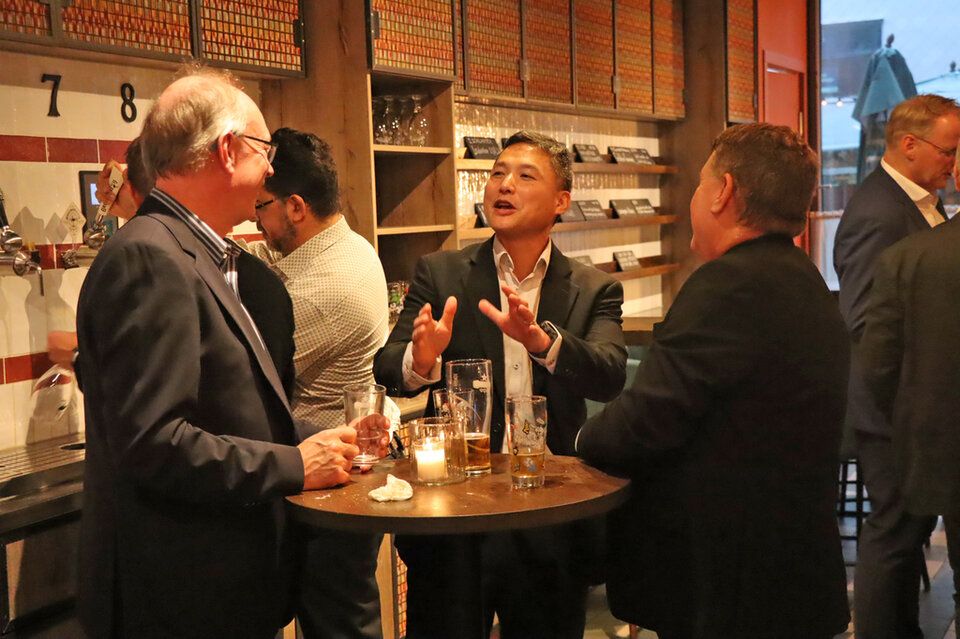
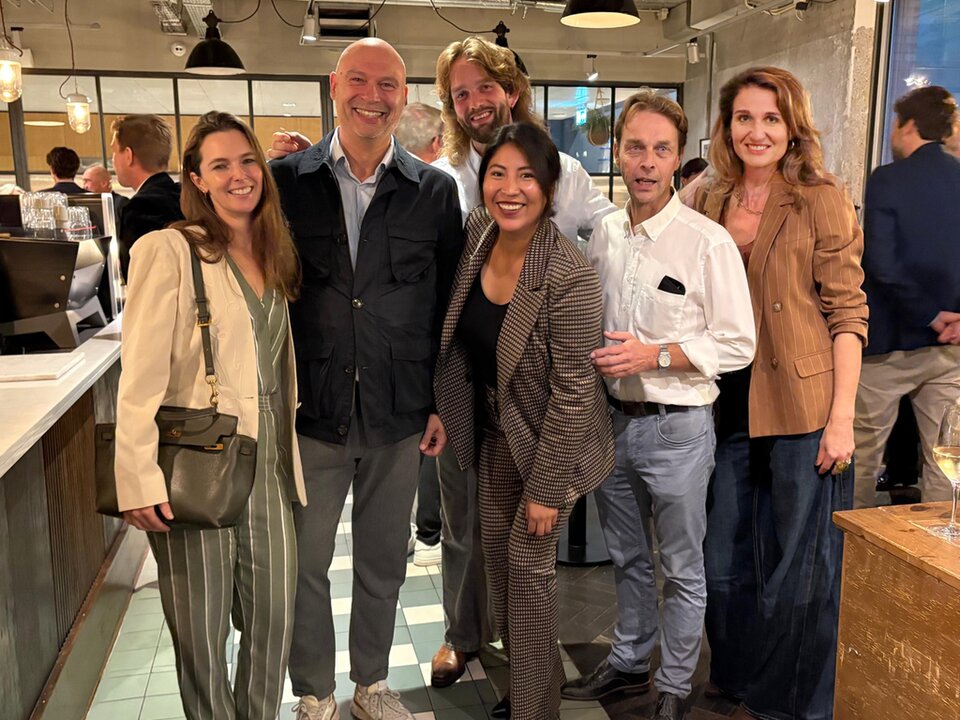
After a first day full of regulation, inspections and raw materials, it was time to leave the conference hall behind for a while. During the MVO-NOFOTA-FOSFA International drinks reception near the conference centre, many of our members came together again, but this time in a more informal setting.
Of course, people continued talking about what had come up at OFI that day, but just as important was the opportunity to catch up with old acquaintances and make new contacts. Precisely because so many people from the international oils and fats sector were in Amsterdam for OFI, it was a great opportunity to meet each other outside the programme. A pleasant and very successful end to the first day.
Raw materials are becoming ever more strategic
The session on trade and market developments was moderated by Ron van Noord, Secretary General of NOFOTA. Under his guidance, the discussion moved from price developments and the availability of oils and fats to trade policy and Indonesia’s position, before turning to the implications for international trade flows and the position of Rotterdam.
Karim El Afany of Fastmarkets showed how policy, geopolitics and weather conditions are increasingly affecting the prices of vegetable oils. Large stocks or a good harvest therefore do not automatically mean low prices. El Afany stated that rapeseed oil increasingly ‘follows diesel, not the harvest’: despite good harvests, prices remain supported by demand from HVO and other biofuels.
Logistics also increasingly determine what is actually available. In the case of sunflower oil, large volumes may be present, but export restrictions and disruptions around the Black Sea then determine whether that oil actually reaches the market. So the question is not only how much is produced, but also whether raw materials end up in the right place at the right time.
Artem Hammerschmidt of Cefetra Analytics then showed how strongly the growing biofuel market is affecting that availability. According to his analysis, global demand for biodiesel, renewable diesel and SAF is continuing to grow strongly, especially from the United States and Indonesia. Indonesia is meanwhile processing more of its own palm oil into biodiesel, leaving less volume available for export. Waste streams also offer no unlimited escape route: much of the relatively easily available UCO is already in the market and additional volumes are becoming increasingly expensive to collect.
“Higher energy prices increase demand for biofuels, precisely at a time when the supply of oils and fats is tightening.”
Artem Hammerschmidt – Cefetra Analytics
That makes trade policy increasingly important. Frans Claassen of MVO discussed the trade agreement between the EU and Indonesia (CEPA). When CEPA enters into force, the EU will abolish import duties on Indonesian crude and processed palm oil, without any conditions or quotas. Indonesia, on the other hand, works with quotas for duty-free exports of both crude and processed palm oil and palm kernel oil. How those quotas are distributed in practice by the Indonesian government is currently completely unclear, but it is of great importance to European refineries. Trade liberalisation must be reciprocal: if Indonesian exporters gain unrestricted tariff-free access to the European market, the European processing industry must also retain actual access to Indonesian crude palm oil under the tariff-free quotas.
Fadhil Hasan of GAPKI also pointed to growing domestic demand in Indonesia. The Indonesian biodiesel programme is now not only about sustainability, but increasingly about energy security. When domestic consumption grows while production lags behind, less palm oil is automatically available for export.
For the Netherlands, that is especially relevant. Kesih van den Berg of the Port of Rotterdam showed how strongly the Netherlands’ position as a trading and processing hub is linked to international goods flows, energy infrastructure and investment conditions. High energy costs and complex regulation can directly affect investment decisions.

Kesih van den Berg of the Port of Rotterdam
The common thread was therefore clear: raw materials are becoming ever more strategic. It is not only production that determines availability, but also energy policy, biofuel targets, geopolitics, logistics and national priorities.
Sustainability starts in the factory
Loek Favre moderated the session on processing and refining. The focus shifted to the factory floor, covering energy use and decarbonisation, digitalisation, process optimisation and the control of contaminants.Erik Schweitzer of Bunge made an important distinction here: efficiency improvements alone will not get you there. According to him, they can deliver around 10 to 30 per cent CO₂ reduction, but much larger reductions require a real switch in energy sources.
Technically, much is already possible. Electrification, heat pumps, thermal storage, biomass, biogas and heat recovery can all contribute. Schweitzer also stressed the importance of flexibility. Gas and electricity prices move strongly and sometimes in opposite directions. A factory that can switch between energy sources can therefore reduce both its footprint and its economic vulnerability.
“The technology is there.”
Erik Schweitzer – Bunge
Gabriele Bacchini of CMB then made this concrete for vacuum systems in refining. By replacing traditional systems with, among other things, ‘ice condensing’, steam consumption can be reduced significantly and, according to his example, the CO₂ footprint of that part can fall by around 85 to 90 per cent.
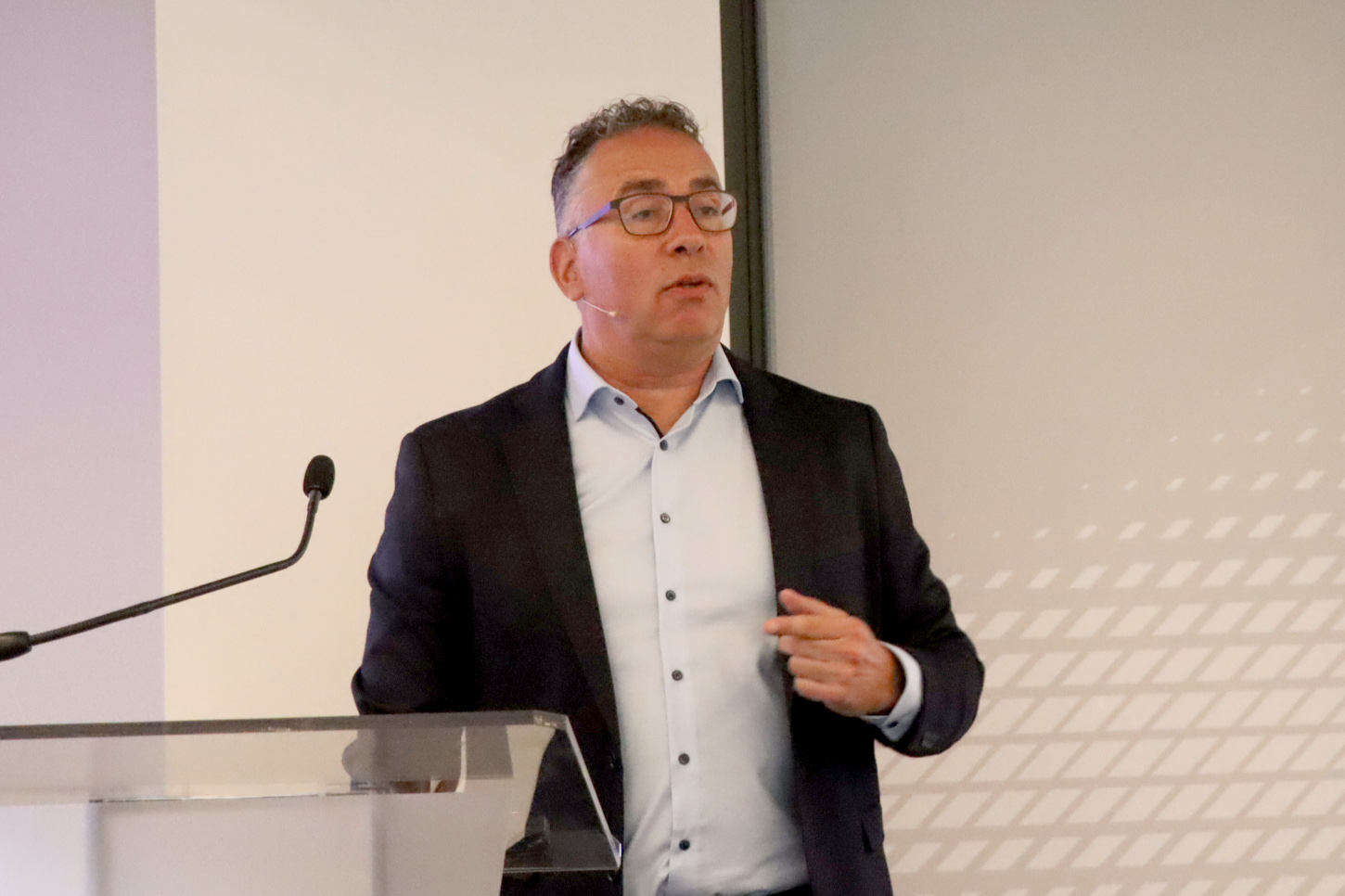
Erik Schweitzer of Bunge
Andrea Pallares of Desmet showed that digitalisation is also playing an increasingly important role. Machine learning can use process data to predict energy and steam use and allow plants to operate closer to their optimal process conditions. At the same time, AI does not replace the process expert: without good data and human knowledge, a model does not know what is physically happening in a factory.
Patrick Howes of Natural Bleach then brought the discussion back to product quality. Optimising degumming and bleaching is not only about efficiency and colour, but also about removing unwanted substances and controlling conditions that later affect contaminants in the refining process. Process optimisation therefore has to serve more and more goals at once: quality, food safety, energy use and yield.
MOAH: tackle it at the source
This combination of process and food safety came clearly to the fore during the session on MOSH and MOAH. Frans Verstraete of DG SANTE took participants through the forthcoming European regulation for MOAH. Maximum levels are being introduced, but a transition period has also been chosen for oils that still need further refining and are labelled as such. That recognises an important practical point: refining can reduce MOAH levels, while applying the maximum levels directly to crude oil could have consequences for the availability of raw materials.
Els Biesta-Peters and Bob Duijnhouwer of the NVWA then demonstrated the importance of ensuring that rules are enforceable in practice. The Netherlands previously opted for a temporary approach that took measurement uncertainty into account. This flexibility did not mean that the sector stood still: MOAH levels in products including palm oil fell sharply, while the number of notifications declined. This showed that a proportionate approach to enforcement and genuine improvements in practice can go hand in hand.
At the same time, reliable analysis remains a challenge. Sampling, sample preparation and the analytical method can all influence the results. Even materials used during sampling can be a source of contamination. Effective regulation therefore also requires analytical methods that both businesses and regulators can rely on.
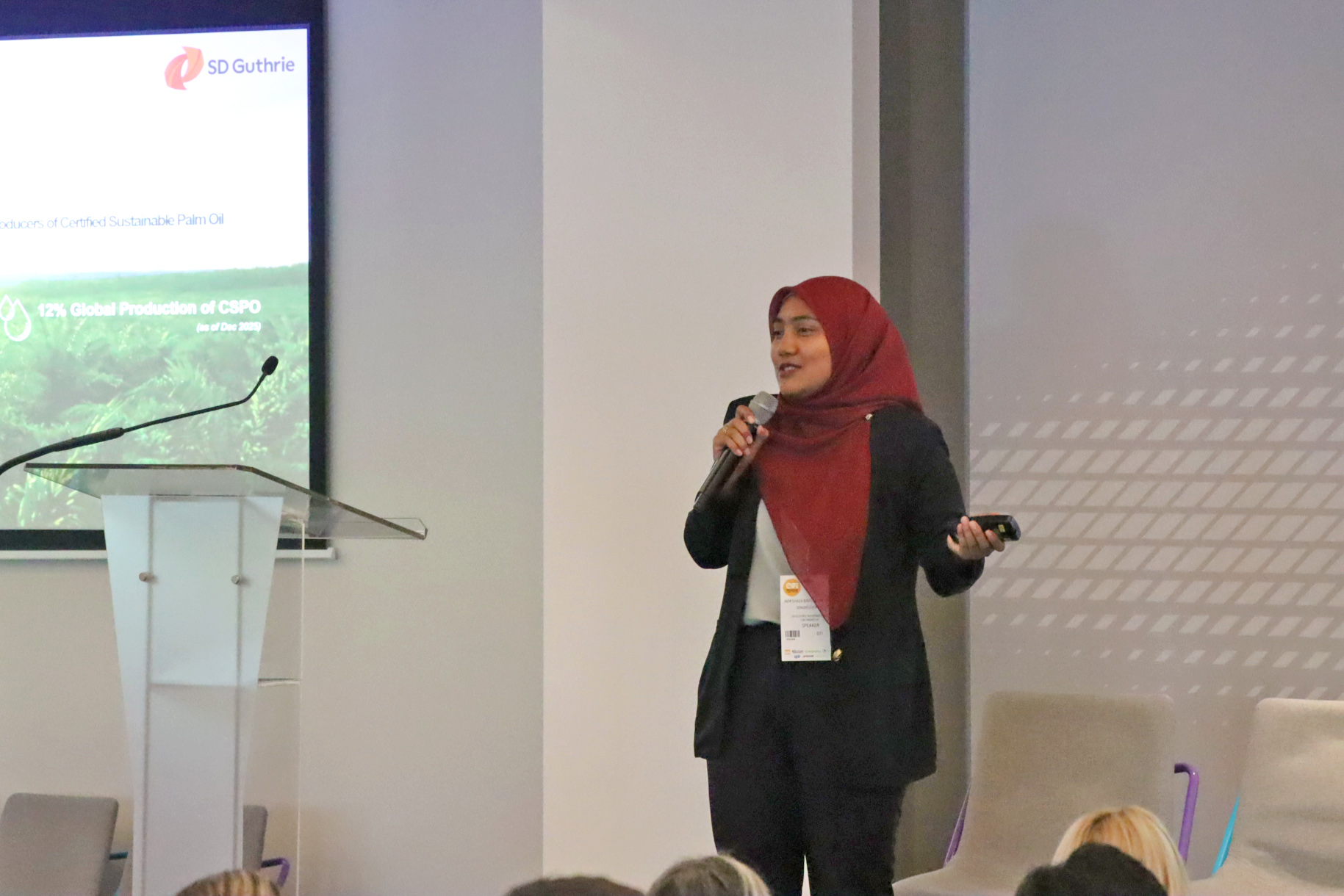
Nor Shaza Abdul Rahim of SD Guthrie
Nor Shaza Abdul Rahim of SD Guthrie explained why the approach cannot begin at the refinery either. Mineral oil contamination can occur at many points in the supply chain: during harvesting, processing, storage and transport, but also, for example, as a result of leaking lubricants. SD Guthrie therefore aims to eliminate or isolate these sources as early as possible and subsequently checks whether the measures taken are actually effective.
“Refining alone will not solve everything.”
Nor Shaza Abdul Rahim – SD Guthrie
This clearly demonstrated what cooperation between government and industry can achieve. Regulations set the limits, but genuine improvement only becomes possible when companies throughout the supply chain identify where contamination occurs and adapt their processes accordingly.
Innovation is becoming increasingly tangible
The closing session on innovation was moderated by Leendert Wesdorp. It focused on how new technologies are being translated into practical applications, from alternative extraction techniques and smarter processing to new sources of oils and fats.
Kevin Shadlock of CPM Crown presented ethanol extraction as a new route alongside existing processes. The company has been working on the technology for six years and now operates a pilot plant with a capacity of up to five tonnes per day. The first commercial facility is being built in Barcelona and is expected to become operational in early 2028. Interestingly, ethanol not only offers an alternative extraction route but, according to CPM Crown, also creates opportunities to produce higher-value protein products.
Christian Ziemann of Bühler then showed how the economics of crushing are shifting. While facilities have traditionally been designed largely around protein fractions, the oil fraction is becoming increasingly valuable. At the same time, demand for additional protein fractions is growing less rapidly. As a result, there is greater emphasis on maximising oil yield while also improving the quality of the protein product. New generations of roller mills are therefore being equipped with increasing numbers of sensors and enhanced data capabilities.
“Every drop of oil counts.”
Christian Ziemann – Bühler
The feedstock itself can also change. Jaap Peters of Progress Biotech presented DHA from algae as an alternative to fish oil. The idea behind this is straightforward: fish do not produce these omega-3 fatty acids themselves, but accumulate them through the food chain. By cultivating algae directly, this intermediate step can be bypassed. This creates a scalable source that is less dependent on seasonal factors and the availability of fish.
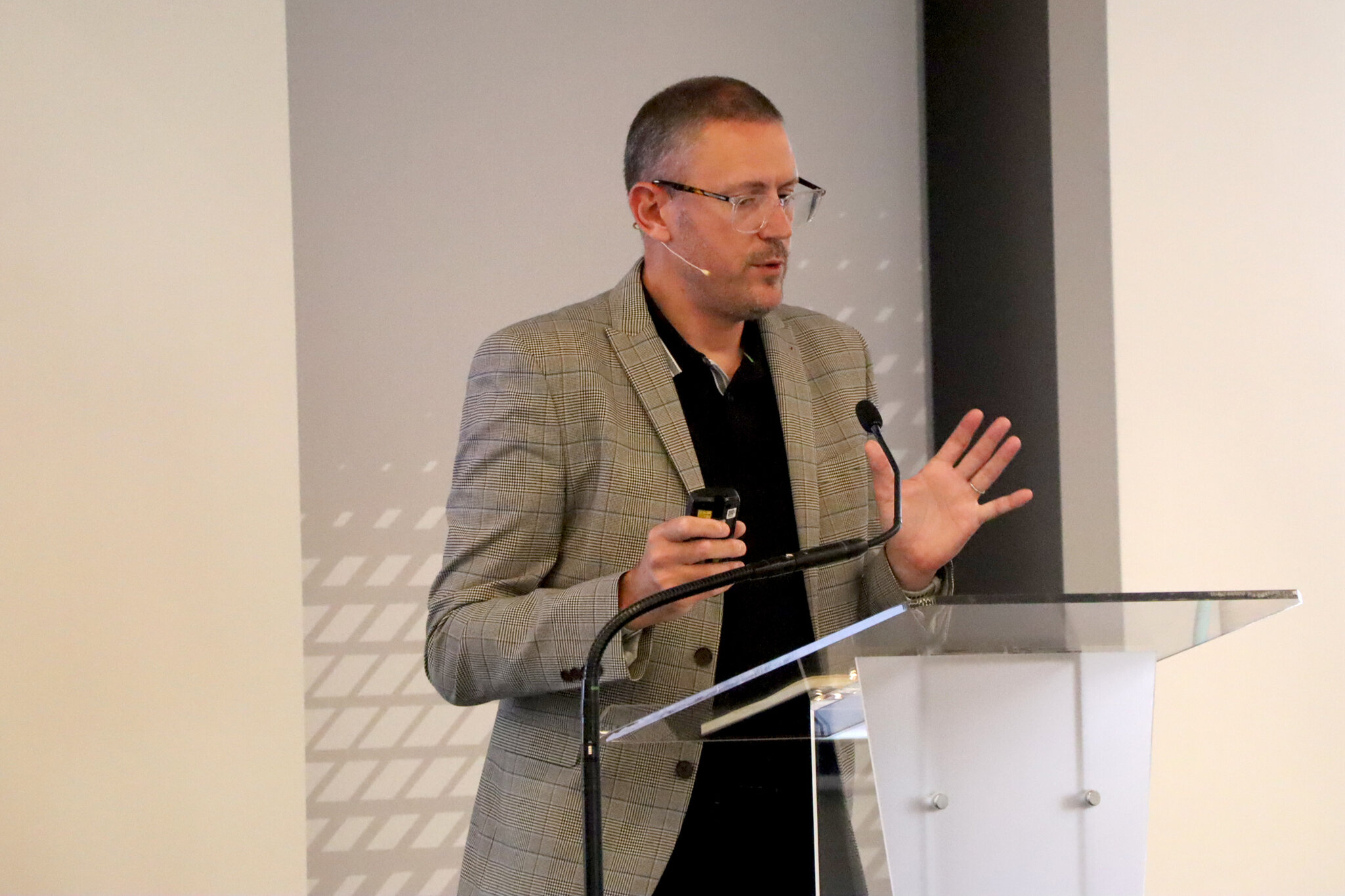
Kevin Shadlock of CPM Crown
Heleen Goorissen of NoPalm Ingredients took the concept of fermentation a step further. The company uses yeasts to convert carbon from agrifood residual streams into oils and fats. Different residual streams and process conditions can result in different fatty acid compositions. The ambition is also to locate production close to the source of the residual stream, rather than transporting large quantities of material to a single central facility.
At the same time, Goorissen was clear about the limitations. The technology has now been tested at an industrially relevant scale, but has not yet been economically optimised. NoPalm also does not expect to compete with palm oil at commodity prices in the short term and is therefore initially focusing on higher-value applications.
The closing panel highlighted another practical obstacle: technology can sometimes develop faster than regulatory approval. NoPalm pointed to lengthy European authorisation procedures as a challenge for financing and commercialisation. At the same time, other panellists stressed why thorough assessment remains essential for food safety. Innovation therefore also requires a balance between speed and due diligence.
From paper to practice
After two days of OFI, one message stood out. The international oils and fats supply chain is changing on almost every front at the same time. New regulations impose different requirements on trade flows, the energy transition is increasing competition for feedstocks, refineries need to reduce their footprint, and new technologies are creating opportunities that seemed a long way off only a few years ago.
At the same time, almost every topic demonstrated that solutions cannot be found on paper alone. With the EUDR, what ultimately matters is workable traceability and enforcement. For biofuels, ambitions must be aligned with available feedstocks and reliable oversight. In trade, market access and national priorities determine where feedstocks ultimately go. For MOAH, prevention needs to take place throughout the entire supply chain. And in innovation, costs, scale and market authorisation ultimately determine whether a promising technology can truly break through.
Turning ambitions and rules on paper into workable practice requires cooperation between businesses, governments, regulators, producers and other parties throughout the supply chain. OFI 2026 once again provided ample opportunity for precisely that – both inside the conference hall and beyond.