SUSTAINABLE SOURCING
EUDR seminar: key questions from the audience
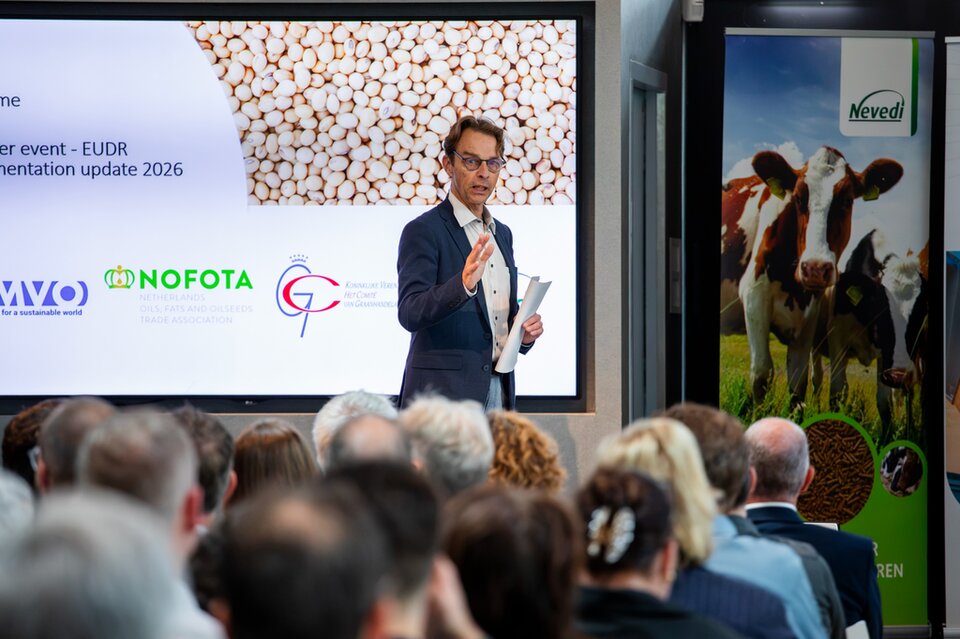
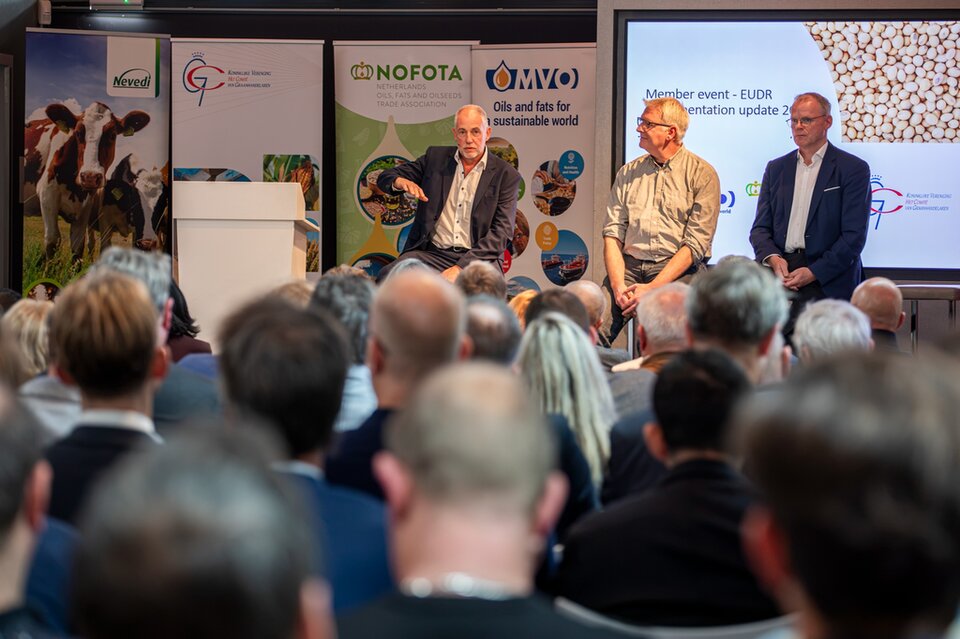
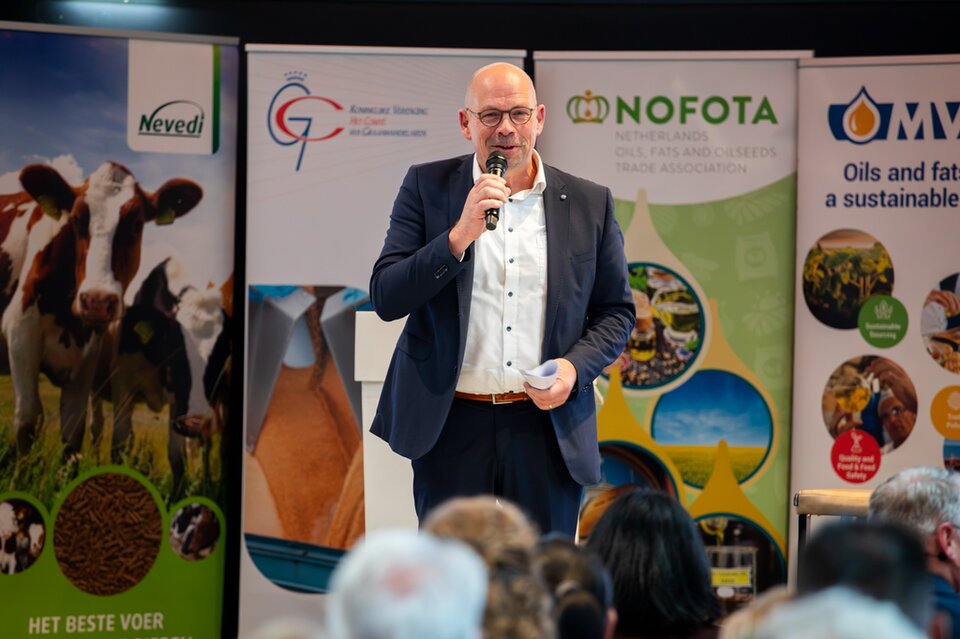
On 13 October, MVO – The Netherlands Oils and Fats Industry, the Royal Dutch Grain and Feed Trade Association (Het Comité), the Netherlands Oils, Fats and Oilseeds Trade Association (NOFOTA) and the Dutch Feed Industry Association (Nevedi) jointly organised a seminar on the practical implementation of the European Deforestation Regulation (EUDR), which is expected to apply from 30 December this year. During the seminar in Nieuwegein, representatives from the Netherlands Food and Consumer Product Safety Authority (NVWA) and industry shared their experiences and insights into the preparations for the regulation. This article highlights the main takeaways from the seminar and addresses key questions raised by the audience, along with the speakers’ responses.
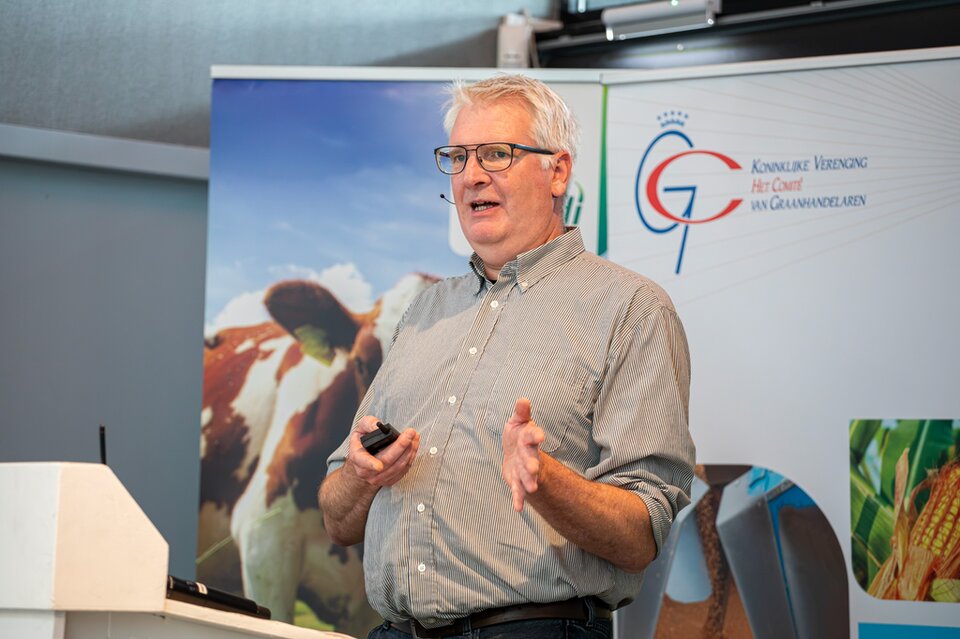
Tieme Wanders (NVWA) presented the results of ten dry-runs, in which only two of the due diligence systems examined were assessed as sufficient. Although the results are not representative of the sector as a whole, they underline the challenges surrounding the establishment of a due diligence process, traceability, risk analysis and demonstrating compliance. Manfred Hessing (Nevedi) addressed the responsibilities of different chain parties and the practical problems involved in information exchange. Ralf Ewering (KLK OLEO Europe) discussed his company’s experiences with the practical tests and the possible consequences of the EUDR for the competitive position of European producers.
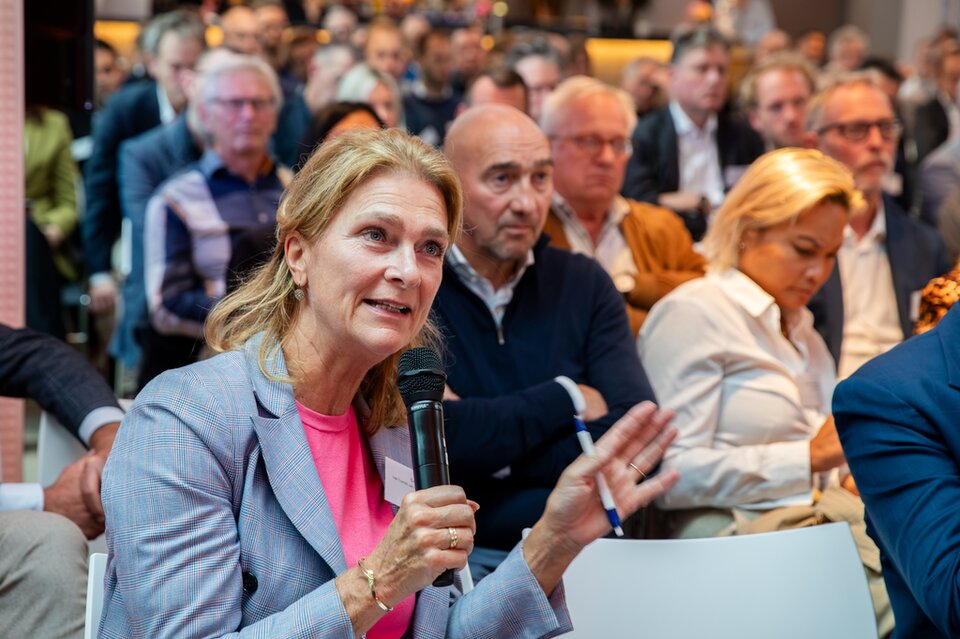
Questions from the audience
There were many critical questions from the audience. These were not only about administrative obligations, but also about enforcement, the effect on international trade flows and the role of existing sustainability programmes. Below are eight important questions and the speakers’ answers.
- What does the NVWA check during an inspection and what sanctions can follow?
During inspections, the NVWA focuses mainly on companies’ due diligence processes. It assesses whether businesses collect the necessary information, analyse risks sufficiently and can substantiate their conclusions.
If shortcomings are identified, the NVWA can impose remedial measures, for example through an order subject to a penalty payment. The amount of the penalty payment may be linked to the value and quantity of the products concerned. If it is actually established that goods do not meet the deforestation or legality requirements, the product may also be withdrawn from the market. One shortcoming in the due diligence process does not automatically lead to that. - What supplier information must a company have available itself and how should it substantiate its due diligence investigation?
According to the NVWA, the emphasis is not so much on where companies store their information, but on how they have set up their due diligence system. The key issue is how a company reaches a conclusion on the basis of the available information and the risk analysis carried out, and how this conclusion is substantiated. Companies must be able to make this process transparent and justify their considerations.
What matters most is the systematics: what information was used, what risks were identified and why it is concluded that these are negligible or sufficiently mitigated? The use of supplier information, certification systems and external service providers is possible, but does not relieve companies of their own responsibility. Whether a specific approach is compliant must be assessed on a case-by-case basis. - What obligations apply to companies that fulfil different roles within the chain?
Nevedi explained that the obligations depend on the role a company fulfils in a specific transaction. A distinction is made between parties that first place products on the European market, downstream operators and traders.
A company may have different roles depending on its activities. Therefore, for each trade flow it must be determined which obligations apply, including receiving and registering EUDR reference numbers. Companies must also be careful with statements to customers, so that they do not make guarantees that go beyond their own obligations and available information. - What were the differences between the Dutch dry-runs and those in other EU Member States?
KLK OLEO Europe shared its experiences with practical tests in the Netherlands and Germany. According to Ralf Ewering, the focus in Germany was mainly on testing the regulator’s software, while the Dutch NVWA focused more on the substantive assessment of the due diligence system, including traceability and risk analysis. - What impact does the EUDR have on the competitive position of European producers?
Members of the audience pointed to a possible uneven playing field for the European oleochemical industry. Palm oil and palm kernel oil fall under the EUDR, while certain further processed oleochemical products remain outside its scope.
As a result, European producers must comply with the EUDR when importing raw materials, while competing finished products from outside the EU can in some cases be imported without the same obligations.
It was emphasised that it is important to keep raising these concerns with both the European Commission and the Ministry of Agriculture, Fisheries, Food Security and Nature (LVVN), which is responsible for policy. As the competent authority, the NVWA is responsible for supervising and enforcing the EUDR, but not for shaping policy. - How can the extra costs of deforestation-free raw materials be justified when other markets are not subject to the same rules?
According to Nevedi, there has long been demand within the European food chain for deforestation-free raw materials. The EUDR brings additional costs for companies that must comply with the European information and control obligations. Outside the EU, for example in China, these obligations do not apply.
This can weaken the competitive position of European companies and lead to raw materials being traded to other markets. There is also a risk that genuinely deforestation-free products will no longer reach the European market simply because they cannot meet all administrative requirements. According to Nevedi, it is therefore important that the implementation of the EUDR does not lead to unnecessary trade barriers that do little to reduce deforestation. - What role will existing certification schemes, such as RSPO, continue to play under the EUDR?
The NVWA stressed that certification schemes can make a valuable contribution to due diligence. The regulator has recognised some schemes, including RSPO, as useful support in collecting and assessing information on the origin of raw materials.
However, that recognition does not mean that certified products automatically comply with the EUDR. There is no 'green lane’ whereby certification exempts companies from their legal obligations. Certification data can form part of the due diligence investigation, but companies must assess the risks themselves and be able to substantiate that their products comply with the EUDR requirements. - When does the EUDR apply to goods under the customs procedure of inward processing?
The NVWA clarified that goods entering the EU under the customs procedure of inward processing do not have to comply with the EUDR obligations immediately. The decisive moment is when the products are placed on the European market by being released for free circulation.
Until that moment, the goods may be processed under the customs procedure. Companies must, however, ensure that the necessary origin information remains available so that they can comply with the EUDR obligations when placing the products on the market.
The four organisations previously published a joint statement, which you can read here.